Home › Gravel-to-Asphalt Conversions
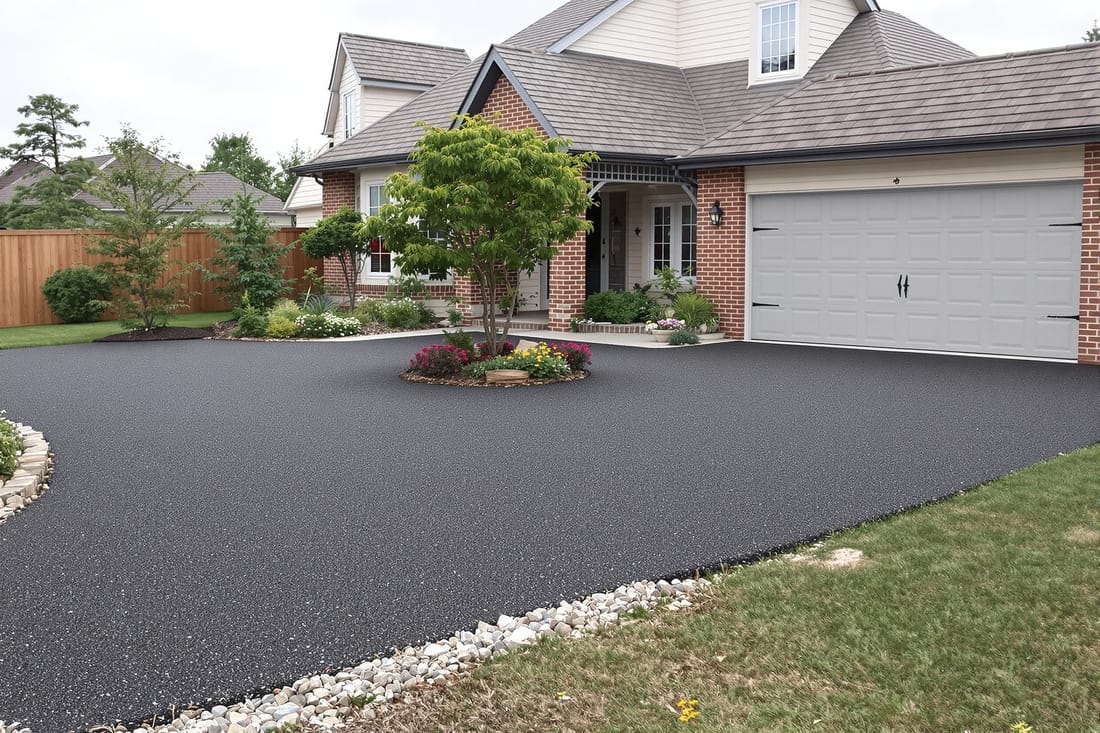
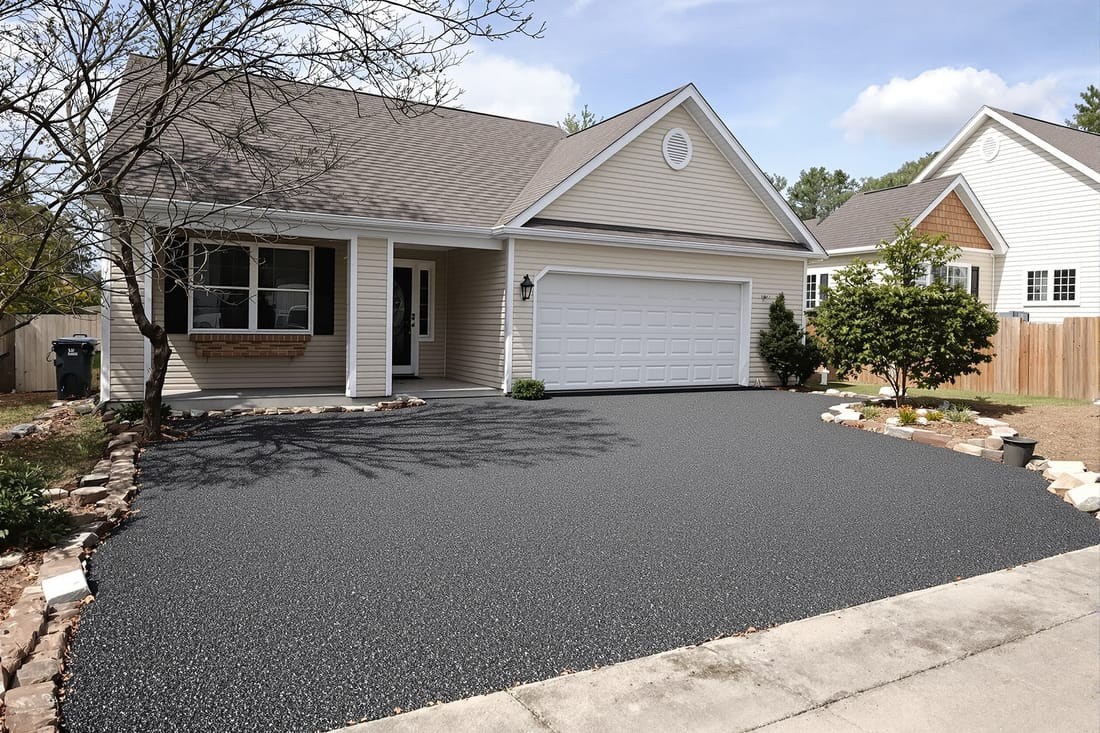
Trade mud and dust for a smooth surface with gravel to asphalt driveway conversions in Houston, TX. We regrade your drive, build a strong base, and pave with quality asphalt. The result is a cleaner, easier to maintain driveway that adds value to your property. Get a detailed quote to convert your gravel drive to asphalt.
Precision Asphalt Houston provides professional gravel to asphalt driveway throughout Houston, TX, Texas and the surrounding area. Our licensed, insured crew delivers safe, clean, on-time work with a free estimate before anything begins. Call (346) 523-8307 or request your free quote.
Turn Your Gravel Driveway Into a Smooth Asphalt Surface
If you are tired of dust clouds, loose rock, and ruts every time you pull in, a gravel to asphalt driveway conversion can be a big upgrade for your Houston home or commercial property. Precision Asphalt Houston focuses specifically on taking existing gravel driveways and converting them into durable, clean asphalt surfaces that work with our local heat, heavy rain, and clay soils.
Gravel driveways around Houston often started as a quick, inexpensive solution when neighborhoods were first built or when rural properties were developed. Over time, traffic from trucks, delivery vehicles, and daily commuting grinds the rock into the soil, creates low spots, and leads to mud after storms. Paving over that gravel without proper preparation is one of the fastest ways to end up with cracked or sinking asphalt.
Our approach is to treat the existing gravel as a foundation that needs to be evaluated, corrected, and strengthened. For many properties in the Houston area, especially in older neighborhoods and unincorporated parts of Harris County, the base can be reused with the right grading and compaction. Where the base is thin, soft, or holding water, we rebuild it before any asphalt is placed so you are not paying for a surface that will fail early.
Step 1: Site Visit, Drainage Check, and Driveway Layout
Every gravel to asphalt driveway project at Precision Asphalt Houston starts with an on site visit, not a guess from a satellite photo. We walk the full length of your existing driveway, look for standing water, soft spots, and rutting patterns, and note where large trees, roots, and utilities are located.
Drainage is especially important in Houston. Our clay based soils hold moisture, and heavy rains can turn low sections into long term puddles. Before we talk about thickness or pricing, we check slopes and identify where water needs to go so it does not sit under your new asphalt. Sometimes that means re grading the existing gravel, sometimes adding shallow swales, and on a few properties adding a small culvert at the road.
We also review how the driveway is actually used. A narrow single lane strip might be enough for a small Heights bungalow with compact cars, while a property in Cypress or Spring that regularly sees trailers or delivery trucks will need wider turning radii and thicker asphalt. During this step, we mark out any changes to width, parking pads, or turnaround areas so that the final design fits your day to day use, not just the existing gravel path.
Step 2: Base Repair, Regrading, and Compaction
The most important work in a gravel to asphalt driveway conversion happens before the first load of asphalt leaves the plant. Once you approve the layout and scope, we bring in equipment to re grade and compact the base. On many Houston properties, the existing gravel has mixed with native soil and needs to be reshaped and strengthened.
First, we strip off contaminated or organic material, such as areas where grass has grown through or topsoil has been pushed over the gravel edge. Then we re grade the driveway to create a consistent slope that sheds water from the centerline to the edges. If needed, we add additional crushed limestone or recycled concrete to build up low areas. This base rock is spread and compacted in layers using a vibratory roller, not just a light pass with a small machine.
Soft or pumping spots are a common problem in the Houston area, especially near ditches or where irrigation leaks have occurred. We dig these areas out, install more stable material, and compact to a firm surface before proceeding. In some high moisture zones we recommend a geotextile fabric under the base rock to keep the clay from pushing up over time. Skipping these corrections may not show on day one, but will become potholes or depressions within a year or two under Houston traffic and weather.
Step 3: Asphalt Mix, Thickness Options, and Installation
Once the base is ready, Precision Asphalt Houston installs the asphalt surface to a thickness matched to your use and budget. For light duty residential driveways in typical Houston subdivisions, we generally recommend 2 to 3 inches of hot mix asphalt after compaction. For properties with heavier vehicles, such as work trucks, RVs, or boat trailers, we often upgrade to 3 to 4 inches, sometimes in two layers for added strength.
We specify mix designs suited to our high summer temperatures. The asphalt we use is engineered to resist rutting and shoving from parked vehicles, particularly in shaded driveways where heat and moisture can combine. On site, the mix is placed while hot, spread with a paver or by machine where space is limited, then compacted with a steel drum roller so you get a dense, even surface.
Edges are a detail that many installers ignore but matter a lot for long term performance. We create compacted shoulders along the sides where possible, and in higher traffic areas we may recommend a slightly thickened edge or a concrete apron at the street connection. This keeps the asphalt from breaking off where vehicles regularly roll off the side.
Cost Factors, Timelines, and Common Houston Issues
Gravel to asphalt driveway conversion costs in Houston are driven by more than just square footage. The condition of your base, required thickness of asphalt, access for equipment, and any drainage corrections all play a role.
If your existing gravel base is in good shape, properly drained, and thick enough, the project may be as simple as minor grading and paving. In that case, costs stay closer to the lower end. If we find widespread soft spots, standing water, or an extremely thin base that requires substantial rock import and labor, that will increase the investment but also prevents early failure.
Most residential conversions are completed within one to three days on site, depending on driveway length and weather. A typical schedule in Houston is day one for base work and grading, and day two for paving and final compaction. During hotter months we often start earlier in the morning so the asphalt can be placed and compacted at the right temperature.
Local issues we watch for include tree roots along older driveways in areas like Oak Forest or Westbury, low spots near roadside ditches common in unincorporated Harris County, and utility lines that were originally run shallow beside gravel drives. We coordinate around these and explain any recommended changes so there are no surprises at the end of the job.
How to Prepare and What to Expect After Paving
Before your gravel to asphalt driveway project begins, Precision Asphalt Houston will give you a short checklist. This may include moving vehicles, trailers, and equipment off the driveway, trimming low branches that block equipment, and marking any private utilities such as landscape lighting or irrigation. If you have specific access needs, like medical appointments or deliveries, we plan around those so you are not unexpectedly blocked in.
After the asphalt is installed, you can usually walk on it almost immediately, but we ask that you keep passenger vehicles off for 24 to 48 hours and heavier vehicles off for a bit longer, depending on temperature. In Houston heat, asphalt continues to cure during the first several days, so avoiding sharp turns in the same spot and standing heavy loads helps protect the new surface.
Basic maintenance is simple. Keep the driveway clear of standing water and avoid letting large oil or fuel spills sit on the surface. We can discuss future sealcoating schedules based on shade, traffic, and use, though we typically do not recommend sealing brand new asphalt right away. If you notice any unusual settling or drainage issues after a few heavy rains, let us know. Because we are local to Houston, we understand how quickly conditions can change after a storm, and we stand behind our gravel to asphalt conversions with responsive follow up if anything needs attention.