Home › Asphalt Resurfacing & Overlays
Renew your driveway with professional asphalt resurfacing in Houston, TX. We install asphalt overlays over sound bases to cover cracks, ruts, and tired surfaces. Our process restores a smooth, even driving surface at a lower cost than full replacement. Schedule an on site inspection to see if your driveway is a good resurfacing candidate.
Precision Asphalt Houston provides professional asphalt resurfacing throughout Houston, TX, Texas and the surrounding area. Our licensed, insured crew delivers safe, clean, on-time work with a free estimate before anything begins. Call (346) 523-8307 or request your free quote.
Asphalt Resurfacing & Overlays for Houston Properties
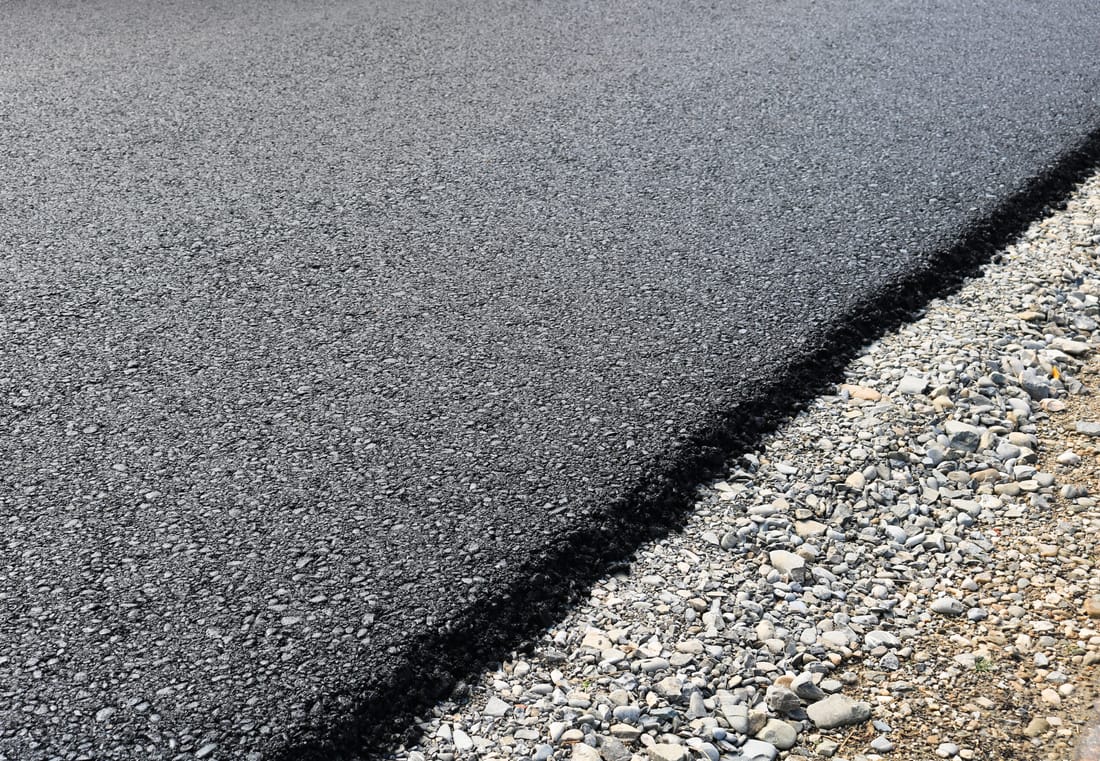
When your asphalt is cracked, rutted, or faded but the base is still structurally sound, asphalt resurfacing (also called an asphalt overlay) is usually the most cost-effective way to restore it. Precision Asphalt Houston focuses on resurfacing streets, parking lots, and driveways across Houston, TX, tailoring each project to local traffic loads and our Gulf Coast climate.
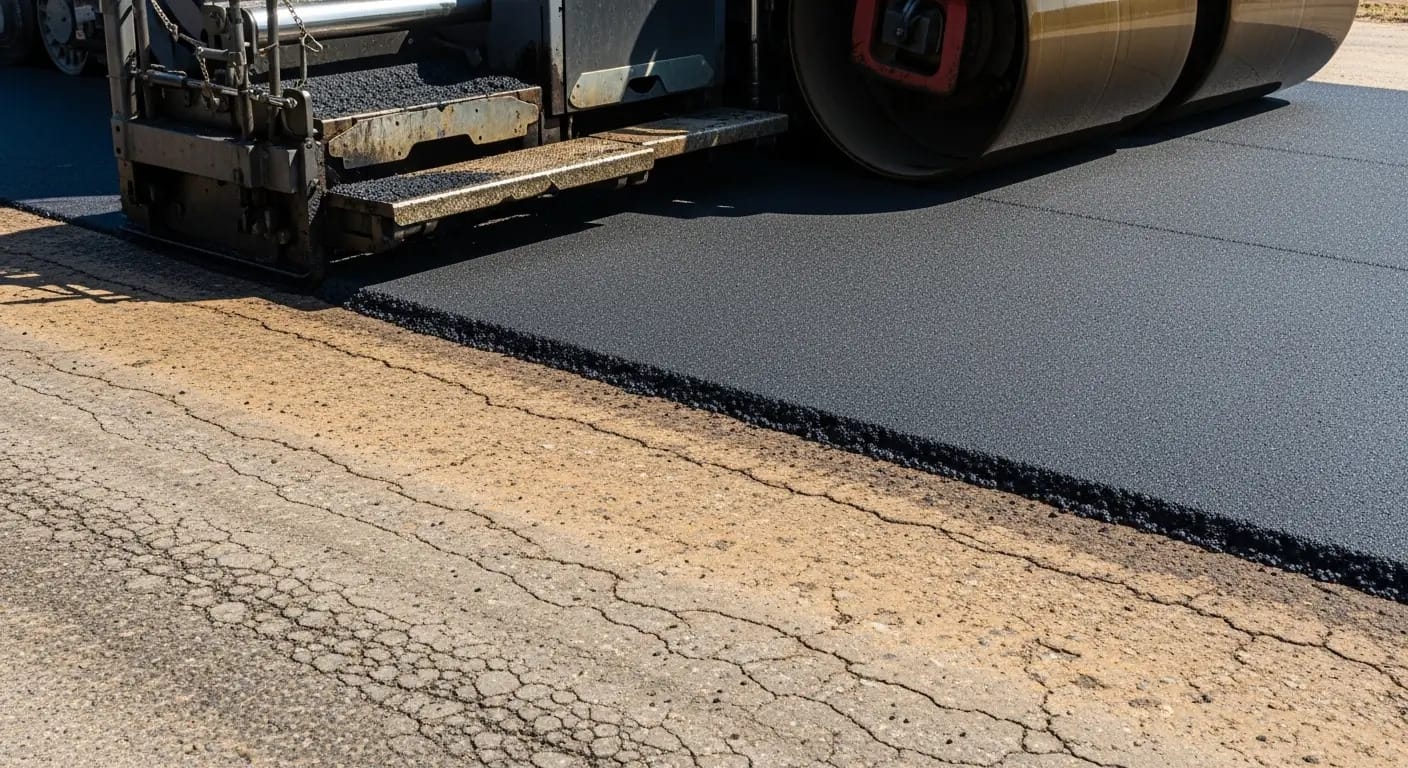
Instead of tearing everything out, we install a new asphalt layer over the existing pavement after careful prep. This can add 8 to 15 years of service life at a fraction of full reconstruction cost. Resurfacing is ideal for commercial lots with frequent customer traffic, HOA roads that have become rough, and residential driveways that are too worn for minor patching but not bad enough to justify full-depth replacement.
In Houston, the combination of intense sun, heavy rains, and occasional flooding creates specific distress patterns like top-down cracking, surface raveling, and low spots that hold water. An overlay addresses these issues on the surface, but only if the underlying base is not pumping water or moving. Our team uses resurfacing only where it is the right solution and will recommend other options if we find serious base failures.
How We Evaluate Whether Asphalt Resurfacing Is Right
Before discussing price or scheduling, Precision Asphalt Houston conducts a site evaluation. Our crew walks the pavement, documents crack types and patterns, checks for soft spots, and looks for signs of base failure such as alligator cracking in wheel paths, heaving at edges, or areas that move under load.
We also look closely at drainage. In Houston, overlaying an area that already ponds water can create worse puddling unless the grade is corrected. We check existing slopes to curb lines, storm drains, and swales. Sometimes a slightly thicker overlay or localized milling can improve water flow without reconstructing the entire lot or driveway.
Core samples or test pits may be recommended on older commercial properties or roads where the construction history is unknown. These help us see how thick the existing asphalt is and what type of base lies underneath. If the base is saturated, poorly compacted, or contaminated with clay, we will point this out and discuss whether isolated base repairs, full-depth reclamation, or full replacement is more appropriate than a simple overlay.
During the evaluation, we also ask about your use patterns. Heavy delivery trucks, garbage trucks, or school buses have different structural needs than passenger vehicles. That information helps us choose the right overlay thickness and mix design so the new surface holds up under real-world Houston traffic.
Step-by-Step Asphalt Resurfacing Process
Once resurfacing is confirmed as the right solution, Precision Asphalt Houston follows a detailed process focused on long-term performance.
1. Surface cleaning and sweeping: We remove dirt, loose stone, vegetation, and debris using power brooms, blowers, and occasionally pressure washing. A clean surface is essential for proper bonding.
2. Milling or leveling where needed: If there are high spots at transitions, speed bumps to be removed, or low areas that pond water, we use a milling machine to grind down the existing asphalt. In other areas we may use leveling courses or fine grading to smooth out ruts and birdbaths before placing the overlay.
3. Full-depth and partial-depth repairs: Localized base failures are cut out and rebuilt. This can involve removing damaged asphalt, re-compacting the base, adding base rock if needed, then installing new asphalt flush to the old surface so the overlay sits on a solid foundation.
4. Tack coat application: We apply a tack coat, typically an asphalt emulsion, over the prepared surface. This creates a strong bond between old and new layers. In Houston’s heat, we schedule this work to avoid contamination from dust and to ensure the emulsion breaks properly before paving.
5. Placing the overlay: Hot mix asphalt is delivered from the plant and placed with a paver in one or more lifts, depending on the required thickness. Our operators adjust the screed to maintain consistent slope for drainage, which is especially important around inlets, door thresholds, and ADA routes.
6. Compaction: Steel drum and pneumatic rollers compact the new asphalt to reach target density. Proper compaction is what gives an overlay its strength and limits future cracking or rutting.
7. Final touches: Joints are sealed, edges are dressed, and the surface is allowed to cool and stabilize. Striping and pavement markings are then reapplied, usually within 24 hours, using layouts that meet Houston and Texas standards for parking, fire lanes, and ADA spaces.
Overlay Design Options: Thickness, Mixes, and Layout
Every resurfacing project has design choices that affect cost and performance. Precision Asphalt Houston explains these options clearly so you understand what you are getting.
Overlay thickness: For light-duty residential driveways, a 1.5 to 2 inch overlay is typical. For commercial parking lots with frequent truck traffic, 2 to 3 inches is common. For private drives that see occasional heavy equipment or trash trucks, we may recommend thicker sections or reinforcing strategies in wheel paths.
Mix selection: In the Houston area, most resurfacing uses TXDOT-approved hot mix asphalt tailored to our heat and rainfall. Finer mixes provide a smoother, quieter surface that looks good in retail or multi-family settings. Coarser mixes may be used in industrial yards for better traction and durability under turning trucks.
Slope and drainage: In overlays, we have an opportunity to make small but important changes to grade. Slightly building up low spots, easing transitions at entrances, and matching new elevations to existing concrete approaches are all part of the design. We pay special attention to areas that have historically flooded or held water in severe Houston storms.
Layout and markings: If you are resurfacing a parking lot, it is often a good time to update the layout. We can adjust stall widths, add or relocate ADA spaces, improve traffic flow with new arrows and stop bars, and coordinate with your fire marshal’s requirements for fire lanes. On residential projects, we can adjust edges around landscaping or future gate installations if you have plans in mind.
Common Houston Asphalt Problems and How Overlays Address Them
Houston’s environment is tough on asphalt, and we see certain recurring issues that resurfacing is designed to correct.
Sun and heat: Prolonged high temperatures oxidize asphalt binders, leading to brittleness and cracking. An overlay replaces that weathered surface with fresh mix that can better withstand UV and heat, especially when followed by regular sealcoating.
Moisture and flooding: Poorly draining pavements develop cracks that let water into the base, which then weakens and settles. If the base is still sound and the problems are mostly at the surface, an overlay combined with crack sealing and drainage improvements can extend the life of the pavement significantly.
Rutting and depressions: Repeated wheel loads create ruts and low areas, especially where trucks always take the same path. Before overlay, we correct these deformations with milling or leveling courses so the new surface is smooth and water runs off properly.
Patchwork failures: Older lots and driveways often have multiple patches from utility work, pothole repairs, or trenching. An overlay ties all of this patchwork together, providing a uniform surface and eliminating bumps, mismatched patches, and uneven joints.
Precision Asphalt Houston does not just pave over problems. If we see patterns that indicate deeper failures, we isolate and repair them first so the overlay is not just hiding issues that will come back in a year or two.
What Affects the Cost of Asphalt Resurfacing in Houston
Customers often ask why one resurfacing project costs more than another. Several specific factors drive pricing, and understanding them helps you compare bids fairly.
Square footage and layout: Larger areas benefit from economies of scale, while small, chopped-up spaces with tight access or many islands take more time per square foot. A simple rectangular driveway in Clear Lake will usually cost less per square foot to resurface than a complex retail center with multiple entrances off a major Houston thoroughfare.
Thickness and mix: More asphalt means higher material and trucking costs. A 3 inch overlay designed for heavy truck traffic will cost more than a 1.5 inch residential overlay, even on the same area. Specialty mixes or specific TXDOT blends also affect pricing.
Prep work and repairs: Milling, leveling, base repairs, and extensive crack sealing add labor and equipment time. A lot that only needs light cleaning and a tack coat will be cheaper than one that requires deep patching, multiple leveling courses, and reworking drainage around inlets.
Access and phasing: For busy Houston businesses, we often phase work to keep parts of the lot open. Night or weekend work, complex traffic control, or coordination around deliveries and tenant schedules can increase costs but may be worth it to avoid disruption.
Precision Asphalt Houston provides written proposals that break out these elements so you can see exactly what is included and how different options, like overlay thickness or phasing, impact the bottom line.
What to Expect When You Hire Precision Asphalt Houston
Resurfacing is a construction project, and knowing what to expect helps it go smoothly for you, your tenants, and your customers.
Timeline and scheduling: Most residential resurfacing jobs are completed in a day, with striping the following day if needed. Commercial projects may run several days depending on size and phasing. We coordinate start times to work around school traffic, business hours, and Houston’s weather patterns so we avoid paving immediately before heavy rain.
Access and parking: We will mark off work zones and provide a plan for temporary parking and access. For businesses, this might mean working on half the lot at a time. For homes, we will ask you to move vehicles out of the driveway before the crew arrives and park on the street until the pavement cools.
Cure time and early use: New overlays can usually handle light foot traffic relatively quickly, but vehicle traffic should wait until the asphalt has cooled and firmed. In hot Houston weather, this can vary, but typically we recommend staying off with vehicles for 24 hours unless we give more specific guidance on site.
Ongoing care: We will explain when to consider sealcoating the new surface, how to handle oil spills, and what to watch for after major storms. With regular maintenance, a properly installed overlay can deliver many years of service.
Precision Asphalt Houston is locally based, so if you have questions before, during, or after your asphalt resurfacing, you are dealing with a team that works these streets and neighborhoods every day, not a distant call center.