Home › Commercial Gravel-to-Asphalt Conversions
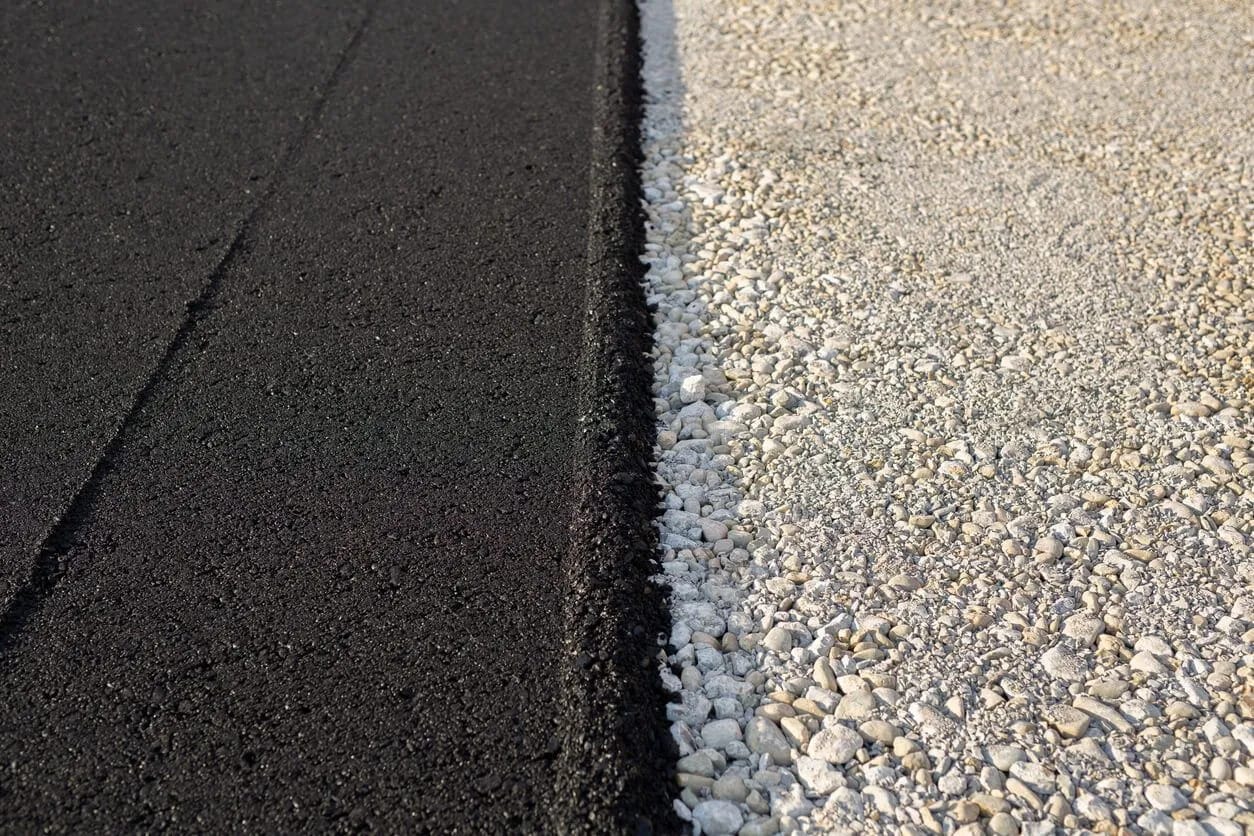
Upgrade rough gravel surfaces with commercial gravel to asphalt conversions in Houston, TX. We regrade and compact your existing lot, then pave with durable asphalt for easier parking and cleaner operations. Asphalt reduces dust, mud, and maintenance on busy sites. Schedule a walk through to plan your conversion project.
Precision Asphalt Houston provides professional commercial gravel to asphalt throughout Houston, TX, Texas and the surrounding area. Our licensed, insured crew delivers safe, clean, on-time work with a free estimate before anything begins. Call (346) 523-8307 or request your free quote.
Turn Your Gravel Lot Into a Reliable Asphalt Surface
If you are tired of dust, mud, and constant ruts in your commercial gravel lot, a commercial gravel to asphalt conversion can turn that space into a clean, easy-to-maintain surface that actually supports your business. Precision Asphalt Houston focuses on commercial sites in the Houston area, so we understand how Gulf Coast weather, drainage, and heavy traffic affect your pavement.
A proper conversion is not just laying blacktop over rock. We evaluate soil conditions, existing base depth, traffic patterns, and drainage around your property before we recommend a design. A light-use employee parking lot at an office in Westchase needs a different build than a truck court off I-10 that sees daily 18-wheeler traffic. Our goal is to give you asphalt that holds up for years in Houston heat and rain, not something that looks good for a month and then starts to rut.
We also plan around your business operations. For active properties like retail centers, medical offices, or warehouses, we typically phase the work so you keep at least one access route open. We can schedule heavier disruption for evenings or weekends when your traffic is lowest. During the site walk, we talk through how your customers, delivery drivers, and staff actually use the lot so the new asphalt layout works in real life, not just on a drawing.
How a Commercial Gravel-to-Asphalt Conversion Actually Works
On a typical gravel to asphalt project in Houston, Precision Asphalt Houston follows a step-by-step process that focuses first on the foundation.
1) Site evaluation and planning. We check the depth and condition of the existing gravel, probe the subgrade soil, look for soft spots, and identify drainage paths. On many older lots around Houston, we find only a thin layer of gravel over clay. In that case, we plan to rebuild the base instead of just grading and paving.
2) Grading and shaping. We use motor graders, skid steers, and rollers to shape the existing gravel, remove loose or organic material, and cut in the correct slope so water moves away from the building and toward drains or swales. Houston’s heavy storms are unforgiving, so we aim for consistent cross slope rather than just “close enough.” Standing water on asphalt is the fastest way to shorten pavement life.
3) Base construction or reinforcement. If the existing base is too thin or contaminated with soil, we bring in new crushed limestone or crushed concrete base. For heavier commercial use, we usually build 6 to 10 inches of compacted base in multiple lifts. Each lift is compacted with a vibratory roller to hit a density that will actually support asphalt under summer heat.
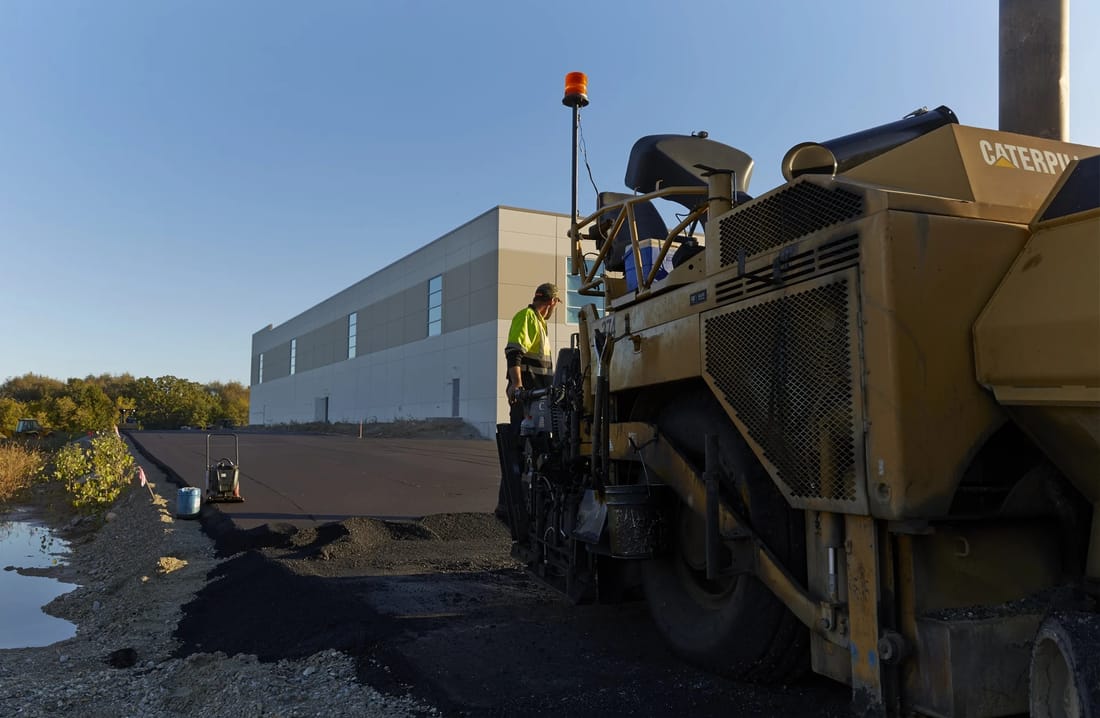
4) Tack coat and asphalt paving. After the base is compacted and proof rolled, we apply a tack coat (a bonding layer) so the new asphalt adheres tightly. We place the hot mix asphalt with a paver for a smooth, even mat, then compact with steel drum and pneumatic rollers. For many commercial gravel to asphalt conversions in Houston, we use heavier-duty mixes similar to those used on city streets, especially where trucks are involved.
5) Striping and finishing. Once the asphalt cools, we paint parking lines, arrows, handicap spaces, fire lanes, and loading zones to match code and your operational needs. We can also install wheel stops, bollards, and traffic signs as part of the same scope.
Design Choices: Thickness, Mix Type, and Drainage for Houston Conditions
The right design for a commercial gravel to asphalt conversion in Houston depends on how you use the space, the soil under the gravel, and how water moves across your property.
Asphalt thickness. For low to moderate traffic, like office or church parking lots with passenger vehicles only, Precision Asphalt Houston usually recommends 3 inches of asphalt over a solid base. For retail centers with delivery trucks or multifamily properties with garbage truck traffic, 4 inches is often safer. For warehouse yards, distribution centers, or industrial plants with frequent 18-wheelers, we may design 5 or more inches of asphalt or even a layered system with a heavier base.
Mix type. In Houston, we tend to avoid very soft mixes that can rut in the summer. For commercial sites we often use a dense graded hot mix with good stability under high temperatures. If you have high-speed traffic entering from a road or sharp turning areas, such as near loading docks, we may specify a slightly different surface mix in those zones to handle shear forces better.
Drainage details. Many older gravel lots in Houston have improvised drainage, with water simply finding its own path. Once you add asphalt, that water must be managed. We can add or adjust inlets, regrade ditches, or build subtle swales into the asphalt profile. On sites with flat clay soils, we sometimes add underdrains along low edges to keep water from sitting under the pavement. We explain these options up front so you understand why part of your budget is going toward drainage, not just the black surface you see.
What Affects Cost and Schedule for Gravel-to-Asphalt Projects
Most commercial gravel to asphalt conversions in Houston fall into a few cost drivers that you should understand before you budget.
Subgrade and base condition. If your existing gravel lot has a deep, well-compacted base with good drainage, your conversion cost is lower. We might only need to regrade, add some base in thin areas, and pave. If we find pumping clay, deep ruts, or waterlogged areas, we have to excavate and rebuild. That adds material, trucking, and labor.
Traffic load and thickness. Thicker asphalt and base cost more, but they are necessary for heavy vehicle sites. Designing a truck yard to passenger car standards is a false saving that leads to early failure. Precision Asphalt Houston will show you separate pricing options if your site has mixed use, for example heavy-duty asphalt in truck lanes and standard sections in employee parking.
Access and phasing. If your property has easy access for trucks and equipment, costs stay down. Tight inner-city sites, restricted work hours, or the need to phase work in small sections so you can stay open will increase labor time. We work with many businesses along Beltway 8 and in the Energy Corridor that cannot shut down, so we build phasing plans that balance cost and disruption.
Time of year. In Houston, the best paving windows are typically October through April when temperatures are moderate and we are not fighting daily thunderstorms. Summer paving is still possible, but we have to manage high surface temperatures and rain risks in the forecast. If you have a tight deadline, we will factor in likely weather delays during peak storm seasons so your schedule is realistic.
Common Issues We Solve and What to Expect When You Hire Us
Gravel to asphalt conversions can reveal problems that were hidden under loose rock. Precision Asphalt Houston plans for these and explains them before we start.
Soft spots and “mystery mud.” Once the gravel is graded, weak areas sometimes appear, especially on older lots built over fill material. We typically undercut these areas, haul out the poor soil, and replace it with compacted base. Skipping this step is why some new asphalt lots start to sink within a year.
Drainage surprises. Many commercial properties around Houston have had years of minor grade changes, added sidewalks, or new buildings without a full drainage redesign. When we switch to asphalt, the existing storm system may not be ideal. During the initial walk-through, we look for signs like erosion channels, standing water in low spots, or water stains along the building. If we expect problems, we include options such as additional inlets, regrading, or tying new surface flow into existing storm lines.
Business continuity. Before we mobilize, you will have a clear schedule, a phasing map, and contact information for the project lead. We coordinate deliveries, employee parking shifts, and any temporary signage you need. On many projects, we keep at least one access lane or entrance open at all times so your business can continue operating.
When you hire Precision Asphalt Houston for a commercial gravel to asphalt conversion, you can expect straightforward communication, realistic expectations about cost and schedule, and a focus on building pavement that holds up under real Houston conditions. We handle the full scope, from permitting support if needed, to final striping and punch list, so you are not juggling multiple contractors.